
Dur-A-Flex Certified Installer Denver
Dur-A-Flex resinous flooring systems for manufacturing, food processing, and heavy commercial facilities
Colorado Concrete Repair installs Dur-A-Flex flooring systems for facilities that need thermal shock resistance, chemical resistance, and a surface that holds up under forklifts, washdowns, and constant production traffic. Our team helps owners, facility managers, and general contractors match the right Dur-A-Flex specification to the actual operating environment, whether that means urethane cement in a wet processing area, a heavy-duty epoxy build in a manufacturing bay, or a more flexible system for spaces exposed to impact and movement.
OR, TELL US ABOUT YOUR PROJECT:
Authorized Installer
CCR installs manufacturer-specified resinous flooring systems with substrate prep, repair, and installation sequencing aligned to the project environment.
1,000+ Projects
Colorado Concrete Repair has completed more than 1,000 concrete repair and flooring projects across Colorado industrial, food, warehouse, retail, and specialty facilities.
Resinous System Expertise
Dur-A-Flex specifications often depend on moisture conditions, thermal cycling, and traffic loads. We scope those conditions before recommending the build.
DUR-A-FLEX INSTALLATION
Dur-A-Flex Systems CCR Installs
Dur-A-Flex is not a single floor. It is a family of systems built around different service conditions. The right installation depends on whether the slab is seeing hot water washdowns, steel-wheeled traffic, thermal swing, food byproducts, chemical splash, or simple cosmetic wear.
POLY-CRETE
Urethane Cement for Wet, Thermal, and Food Environments
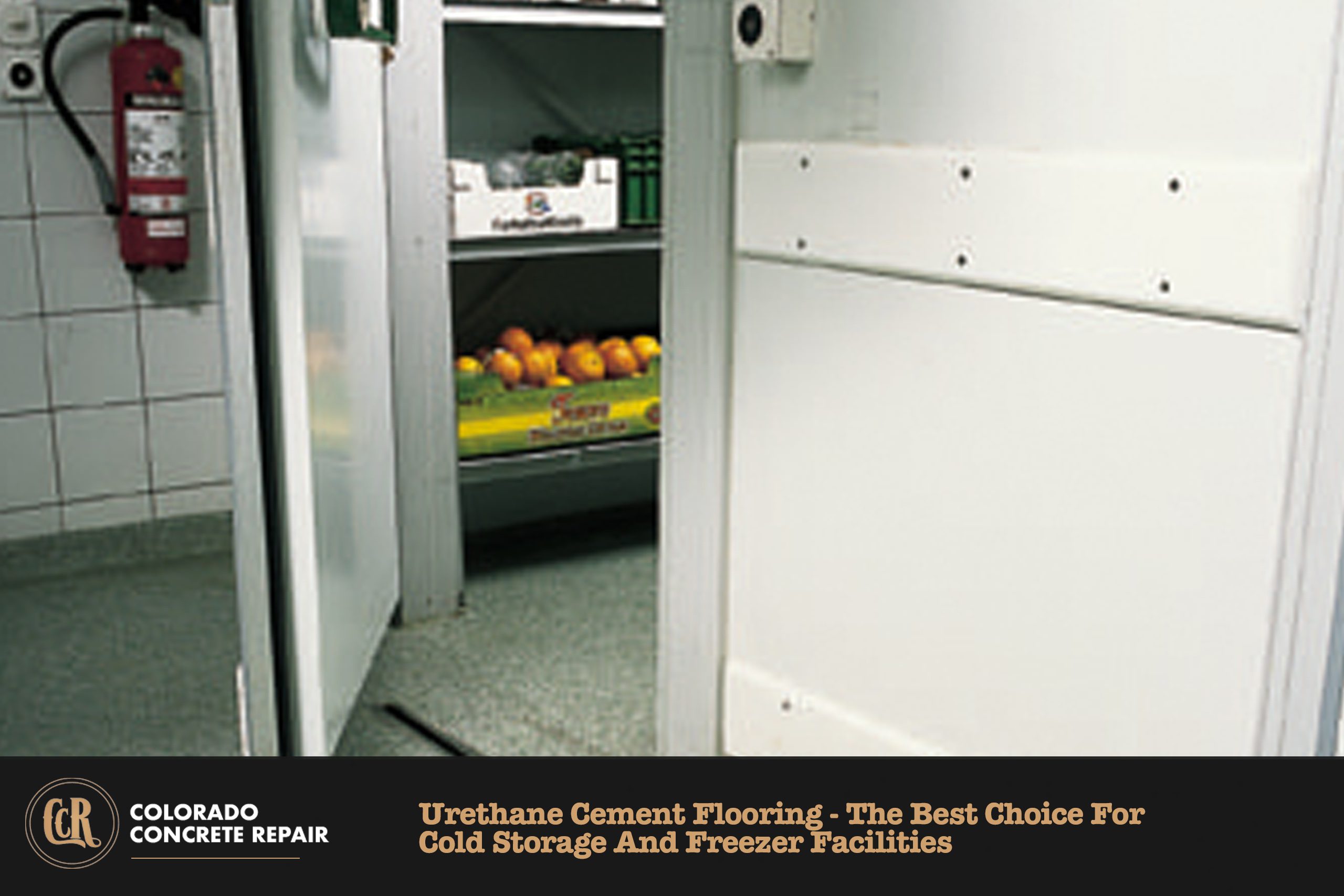
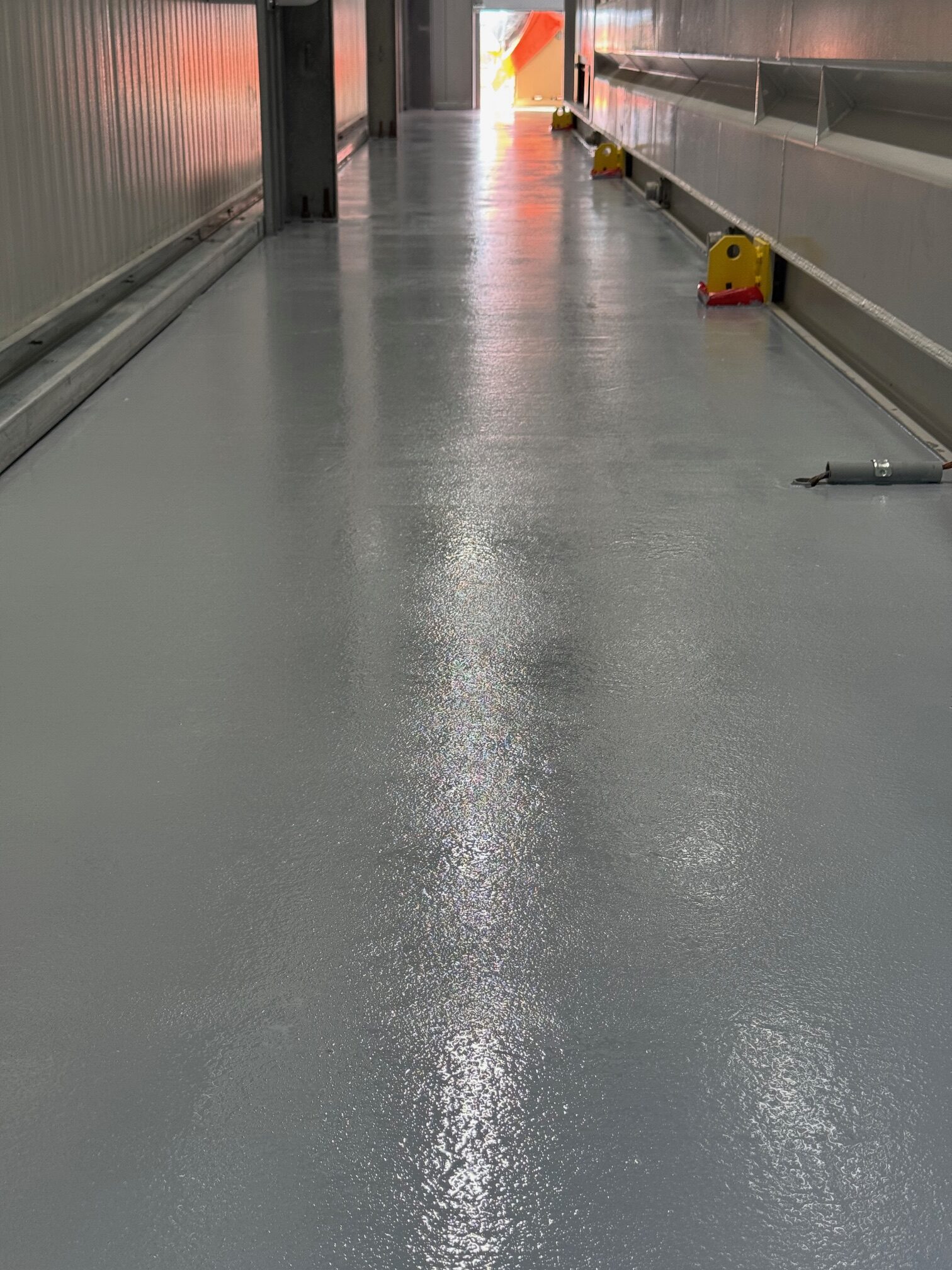
CCR installs Poly-Crete where standard epoxy is the wrong answer: commercial kitchens, beverage and food facilities, washdown zones, cooler transitions, and production rooms with moisture vapor or thermal shock. The system is designed for abuse from heat, cold, impact, and aggressive cleaning protocols. For Colorado facilities that cannot tolerate delamination in active process areas, Poly-Crete is usually the correct starting point.
ARMOR TOP
High-Build Epoxy for Industrial Wear
Armor Top fits manufacturing, warehouse, utility, and maintenance spaces where compressive strength, abrasion resistance, and cleanability matter more than thermal performance. When owners want a tough, seamless floor that can be built for specific chemical exposure and traffic patterns, this is often the workhorse system. CCR uses it in environments where the slab conditions and service demands support an epoxy build rather than a urethane cement specification.
HYBRI-FLEX
Flexible Resinous Builds for Movement and Impact
Hybri-Flex is useful when a facility needs more crack-bridging and flexibility than a rigid epoxy build can deliver. CCR looks at movement, substrate condition, and traffic stress before recommending this path. It can be a strong option for commercial and industrial spaces where the owner wants a seamless system with better tolerance for impact and minor movement than a standard brittle coating build.
Why an Authorized Dur-A-Flex Installer Matters
Dur-A-Flex products perform when the specification and field conditions match. Generic contractors often reduce the decision to color, thickness, or a price-per-square-foot number. That is where problems start. The real decision is whether the slab has vapor pressure, whether there is active joint movement, whether the owner washes the floor with hot water, what chemicals hit the surface, and how quickly the space needs to return to service. Those factors determine whether Poly-Crete, Armor Top, Hybri-Flex, or another build is appropriate.
CCR approaches Dur-A-Flex work as a full substrate-and-system problem. We assess slab condition, prep requirements, repair scope, and phasing before installation starts. That matters because most failures are not product failures. They are specification mistakes, moisture mistakes, or prep mistakes. In our own project history, large warehouse and industrial flooring work such as Protecto Wrap’s epoxy warehouse floor with urethane topcoat and Western Forge’s plant floor installation show the same pattern: surface prep, repairs, and detailing drive the outcome, not just the coating selected.
For owners and facility teams, the value of an authorized installer is less about a badge and more about execution discipline. CCR repairs slab defects, addresses joints, and builds the installation sequence around operations. That is important in active facilities like Opal Foods, Whole Foods support work, and similar warehouse or manufacturing environments where downtime, traffic, and sanitation requirements all have to be planned before the first primer goes down.
Typical Dur-A-Flex Applications
- Food and beverage processing rooms where thermal shock and washdowns eliminate standard epoxy from consideration
- Commercial kitchens, resort kitchens, and back-of-house service areas needing aggressive cleaning resistance
- Manufacturing cells, tool rooms, and warehouse work areas exposed to impact, carts, and chemical splash
- Loading and staging spaces that need a seamless finish with high abrasion resistance
- Maintenance shops, utility areas, and service corridors where cleanability and durability matter more than decorative appearance
- Facilities that need cove integration, slip resistance, or a more flexible specification around moving or stressed slabs
CCR Fit-for-Use Process
Step 1
Site Assessment
Step 2
Prep and Repair Scope
Step 3
System Selection
Step 4
Phased Installation
Step 5
Operational Handoff
Dur-A-Flex Product Lines Compared
Select a system to review where it fits, what it does well, and where a different specification may be better.
Poly-Crete Urethane CementWet process and thermal shock▼
Best for: Processing rooms, kitchens, washdown spaces, cooler transitions, and facilities with heat, moisture, or aggressive cleaning.
✓ Strengths:
- Handles thermal shock better than traditional epoxy
- More forgiving in moisture-prone environments
- Good choice for food, beverage, and sanitary production areas
Tradeoffs:
- Higher system cost than standard epoxy builds
- Requires experienced crews and tight install sequencing
- Texture and finish are designed for function first, not showroom aesthetics
Armor Top EpoxyHeavy-duty industrial epoxy▼
Best for: Manufacturing floors, warehouse work zones, maintenance areas, and spaces needing a thick, durable, seamless build.
✓ Strengths:
- Strong abrasion and impact resistance
- Builds cleanable, uniform surfaces for industrial use
- Can be tailored for traffic, slip resistance, and chemical exposure
Tradeoffs:
- Not the right call for constant thermal shock or hot washdowns
- Moisture and prep mistakes will shorten service life
- Rigid build may not suit moving or stressed slabs
Hybri-Flex SystemsFlexible service environments▼
Best for: Facilities where added flexibility, crack-bridging, or impact tolerance matters.
✓ Strengths:
- Better tolerance for movement than rigid epoxy alone
- Useful where substrate condition is a key concern
- Allows a more resilient specification in demanding commercial spaces
Tradeoffs:
- Needs careful review of slab movement and service conditions
- Not a substitute for structural slab repair
- May not be necessary where a simpler epoxy or urethane cement system fits
FREQUENTLY ASKED QUESTIONS
Dur-A-Flex Installer Questions
Technical answers for owners, facility managers, and general contractors comparing Dur-A-Flex systems.
When is Poly-Crete the better choice than an epoxy system?
Poly-Crete is usually the better choice when the floor sees washdowns, steam, hot water, organic acids, or regular thermal swing. In those environments, a standard epoxy build can become brittle or lose bond over time. Urethane cement is specified for service conditions that are simply harder on the slab and coating interface.
Can Armor Top be used in industrial production areas with forklifts?
Yes, when the slab is sound and the environment fits an epoxy build. Armor Top is used for heavy-duty industrial wear, but the success of the project depends on prep, joint detailing, and whether the facility has moisture or thermal issues that call for another system.
Does an authorized installer also handle slab repair before the coating goes down?
That is the practical difference between a flooring-only seller and a contractor like CCR. We handle crack repair, joint work, patching, and surface prep before installation. If the slab is failing, coating over it does not solve the problem.
How do you choose between Dur-A-Flex and another manufacturer?
We start with the environment, not the label. If Dur-A-Flex has the right chemistry for the use case, we specify it. If the conditions call for a different product family, we say that directly. The goal is fit-for-use performance, not forcing every project into one catalog.
Can a Dur-A-Flex project be phased in an active facility?
Yes. Many industrial and commercial projects are installed in phases so operations can keep moving. That planning work happens up front during site assessment, including traffic reroutes, cure timing, and sequencing around production or occupancy.
Need a Dur-A-Flex installer in Denver or anywhere on the Front Range?
If your facility is evaluating Poly-Crete, Armor Top, Hybri-Flex, or another Dur-A-Flex system, CCR can review substrate condition, operating demands, and installation phasing before work begins. Schedule a site assessment and get a direct recommendation based on how the floor is actually used.
OR, TELL US ABOUT YOUR PROJECT: